
It’s Not Magic, It’s Psychology: The Hidden Science of Great Experience Design
Have you ever used a website or an app that just felt… easy? Where every button was exactly where you expected it to be, and every step felt completely natural? It might feel like magic, but it’s not. It’s science.
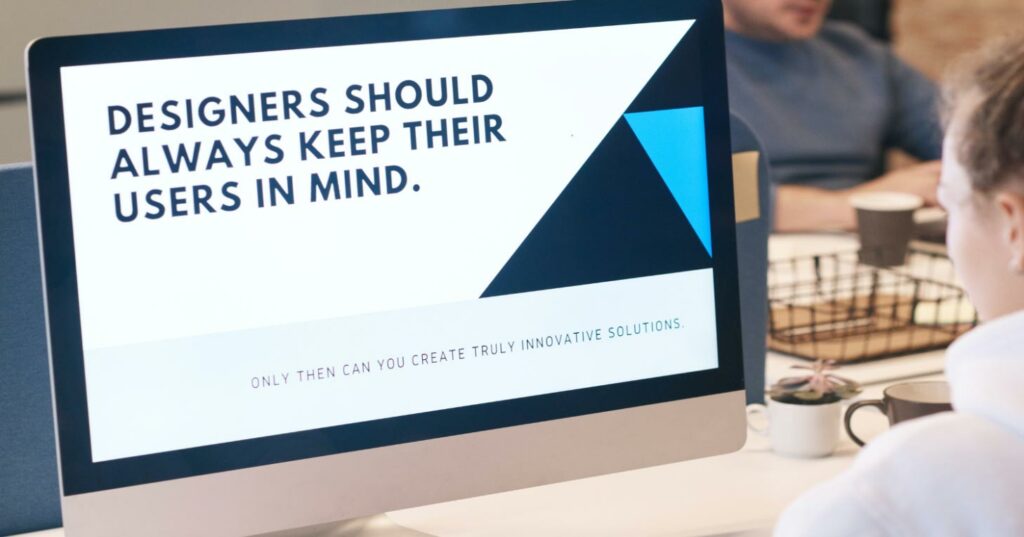
Exceptional Experience Design (XD) is not just about aesthetics; it’s a discipline deeply rooted in the principles of human psychology. To design products that people love, you must first understand how people think, behave, and perceive the world around them. At BlueSky, this psychological understanding is the foundation of our entire design philosophy.
Designing for the Human Brain, Not Just the Screen
Our brains are wired with cognitive shortcuts and biases that have evolved over millennia. A great designer doesn’t fight against these tendencies; they work with them to create experiences that feel intuitive and effortless.
Here are a few core psychological principles we apply every day:
- Hick’s Law: The more choices you present to a user, the longer it takes them to make a decision. This is why we relentlessly simplify navigation and focus on clear, singular calls-to-action. We reduce cognitive load to make the user’s journey easier.
- The Von Restorff Effect: People are more likely to remember something that stands out from the crowd. We use this principle to draw attention to the most important information or actions on a page through the strategic use of colour, size, and spacing.
- The Peak-End Rule: People judge an experience based on how they felt at its most intense point (the peak) and at its end. This is why we focus on creating memorable, positive “peak” moments and ensuring the final step of any process (like a checkout or sign-up) is as smooth and satisfying as possible.
Empathy as a Design Tool
Understanding these principles is one thing, but applying them effectively requires empathy. It requires us to step out of our own shoes and into the user’s, to understand their goals, their frustrations, and their context.
This is why our process is built on research, co-creation, and testing. We don’t just guess what users want; we observe, we listen, and we learn. This empathetic approach allows us to move beyond just building features and start crafting experiences that genuinely resonate on a human level.
The BlueSky Takeaway:
The best designers are not just artists; they are students of human behaviour. By grounding our Experience Design process in the proven principles of psychology, we can create products that are not only functional and beautiful, but also deeply intuitive, engaging, and aligned with the very way our brains are wired.
Frequently Asked Questions (FAQ)
- What is cognitive bias in UX design?
Cognitive biases are systematic patterns of deviation from rational judgment. In UX, designers must be aware of biases like “confirmation bias” (users look for information that confirms their beliefs) or “social proof” (users are influenced by the actions of others). By understanding these biases, designers can create interfaces that guide users towards better decisions and avoid unintended negative consequences.
- Can you give an example of a common design pattern based on psychology?
The use of “default” options is a classic example. The “endowment effect” is a psychological principle where people value something more simply because they own it. By providing a sensible, pre-selected default option in a form, designers make the decision easier for the user (Hick’s Law) and leverage their natural inertia, increasing the likelihood they will stick with that choice.
- How does psychology apply to designing for internal employees (EX)?
The same principles are just as, if not more, important for Employee Experience (EX). An internal tool that is confusing and creates a high cognitive load will lead to frustration, errors, and low adoption. By applying psychological principles to design intuitive internal systems, you can dramatically improve employee satisfaction, reduce training time, and boost overall productivity.